
Giving and Taking
Requiem for a DreamThis thread contrasts the characters’ attempts to obtain happiness through acquisition with the fragile forms of care that sustain them.
increasing Bearing strength in each event
 decreasing
Bearing strength in each eventdecreasingTaking the Television
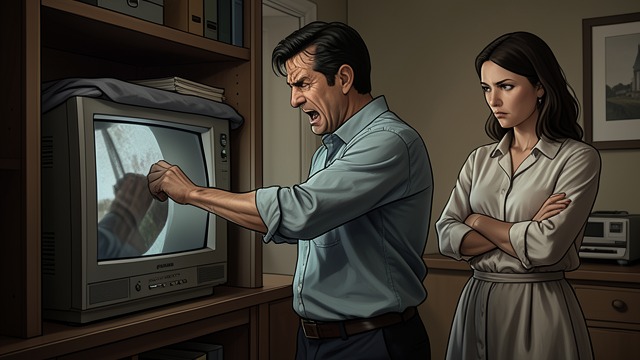
Taking the Television
Immediate need wins
Harry takes Sara’s television to raise money, repeating a pattern that has hurt her before. He defends himself by accusing her of making him feel guilty.
Taking damages connection
The transaction provides short-term relief for Harry but deepens Sara’s loneliness. Their conflict introduces a world in which getting something now can cost a relationship.
The Gift in Return
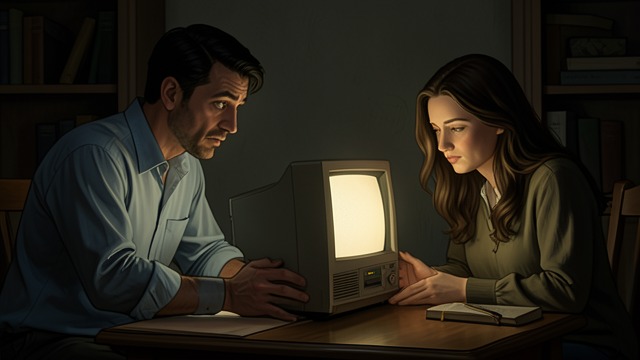
The Gift in Return
A gesture of giving
Harry buys Sara a new television and apologizes, hoping to show that he cares. Sara receives the gift as evidence that her son is succeeding and still loves her.
A partial repair
The exchange briefly reverses the earlier pattern of taking. Yet the gift cannot substitute for consistent presence or protect either of them from the habits already shaping their lives.
The Cost of a Loan
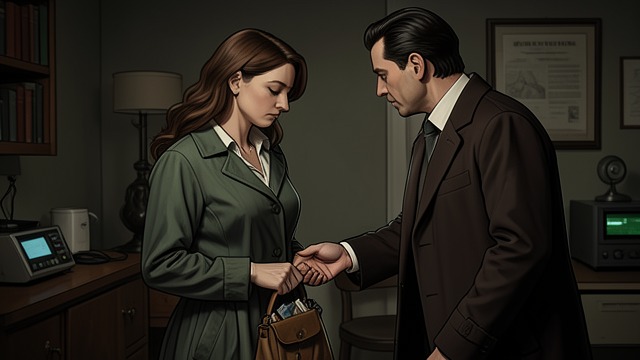
The Cost of a Loan
Resources are obtained
Marion secures money from Arnold so Harry and Tyrone can buy heroin. The financial need is met through an encounter that unsettles her and changes the relationship at home.
Getting has a human price
The cash solves an immediate problem but creates shame, secrecy, and distance. Acquisition does not bring the security the characters imagine it will provide.
The Hidden Stash
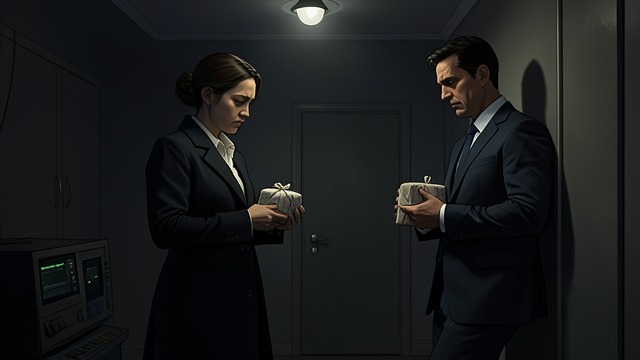
The Hidden Stash
Private security sought
Marion keeps heroin for herself, while Harry also withholds supply. Each action is motivated by fear of being left without a dose.
Giving becomes harder
The characters once imagined sharing a business and future. Under dependence, preserving a private supply overtakes the mutual care they once promised.
The Final Imbalance
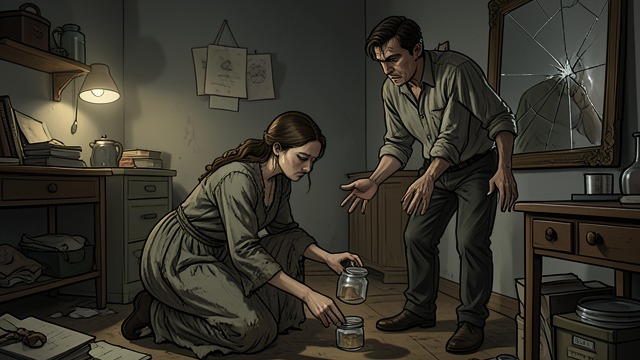
The Final Imbalance
Taking dominates
The characters’ hopes have narrowed into attempts to obtain drugs, recognition, or relief, while institutional systems take control of their bodies and choices. Their earlier plans for generosity and shared life have fallen away.
The novel’s ethical contrast
The narrative makes the difference between getting and giving visible through damaged bonds and lost futures. Acts of care remain precious precisely because acquisition has overwhelmed them.
At the story’s opening
After Harry begins earning money
During the winter shortage
As heroin becomes scarce
Near the ending
